
“...For the Lord GOD does nothing without
The presence of a true prophet is often a sign that something is seriously wrong and that judgment is approaching.
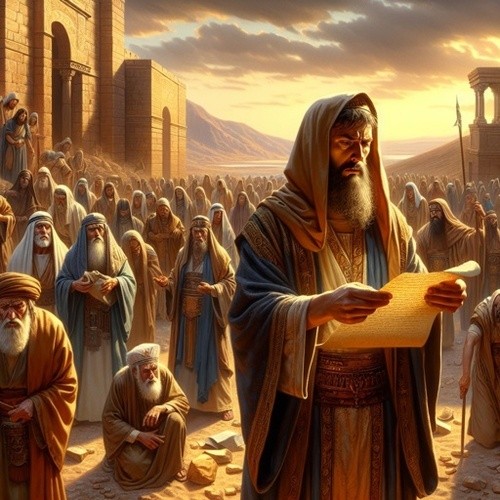
“In a time of deep moral decline and widespread apostasy — both in the Church and across the nations — God does not send prophets to affirm people in their sin or to make them feel comfortable. There is no biblical foundation for such a ministry. Throughout Scripture, God raises up true prophets primarily to warn, rebuke, correct, and call His people back to Himself before judgment comes. This stands in direct contrast to many who claim to be prophets today, who mostly speak messages of peace, prosperity, blessing, and affirmation with little to no call to repentance or warning of judgment.”
The prophetic voice in Scripture is overwhelmingly a voice of warning and confrontation, not comfort and encouragement. While God does give promises of restoration and blessing, these are almost always given after or in contrast to strong warnings of judgment — not as the main message.
When God Sends Prophets
God sends true prophets during specific seasons and conditions:
God does not normally send prophets when His people are walking in humility, obedience, and faithfulness. The presence of a true prophet is often a sign that something is seriously wrong and that judgment is approaching.
- When His people have fallen into widespread sin, idolatry, and compromise.
- When spiritual leaders (today’s teachers and pastors, or in the Old Testament, kings, priests, and prophets) are leading the people astray.
- Just before judgment is about to fall, so that the people still have time to repent.
- During times of national or spiritual crisis, when the people have lost their way and need clear direction from heaven.
God does not normally send prophets when His people are walking in humility, obedience, and faithfulness. The presence of a true prophet is often a sign that something is seriously wrong and that judgment is approaching.
Why God Sends Prophets
God sends prophets for several clear, consistent reasons:
While God does sometimes give words of encouragement and future hope, these are secondary to the primary work of warning and calling people to repentance.
- To warn of coming judgment So that people have the opportunity to repent before it is too late.
- To call His people to repentance True prophets do not simply predict the future. They call people to turn from their sin and return to the Lord.
- To expose sin, idolatry, and false teaching This includes confronting false prophets, corrupt leaders, and the people’s rebellion against God.
- To confront and correct God’s people True prophets are often sent to rebuke both the people and their leaders.
- To reveal God’s heart and purposes Especially when His people have become blind to what He is doing.
While God does sometimes give words of encouragement and future hope, these are secondary to the primary work of warning and calling people to repentance.
What True Prophets Usually Emphasize
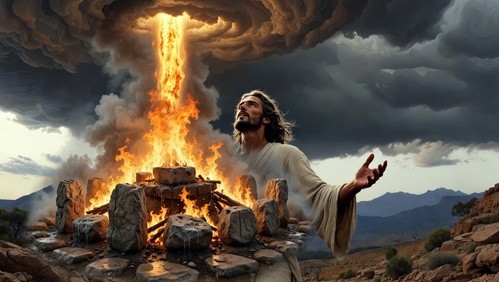
In Scripture, true prophets consistently emphasize:
- The holiness and justice of God
- The seriousness of sin
- The need for genuine repentance
- Warning of coming judgment
- The requirement to return to covenant faithfulness
- Exposing false prophets and false teaching
- Always pointing toward the true Messiah, Jesus Christ, and His atoning blood at the cross
Even when they speak of future blessing or restoration, it is almost always tied to a prior call to repentance.
The Contrast Between True and False Prophets
This is one of the clearest distinctions in Scripture:
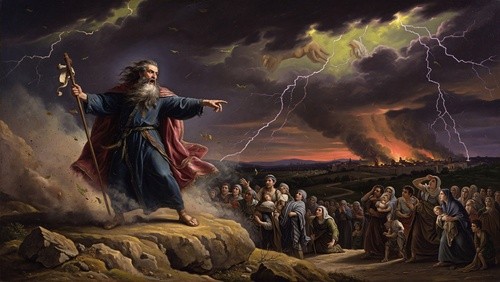
True Prophets
- Primarily bring warning and rebuke -
- Call people to repentance -
- Confront sin and expose falsehood -
- Often rejected and persecuted -
- Their words are confirmed by God -
- Point people to the fear of the Lord -

- Call people to repentance -
- Confront sin and expose falsehood -
- Often rejected and persecuted -
- Their words are confirmed by God -
- Point people to the fear of the Lord -

False Prophets
- Primarily speak peace, prosperity & blessing -
- Rarely call for repentance -
- Focus on Self Rather than Jesus -
- Usually popular and well-received -
- Their words frequently fail -
- Often promote comfort and self-interest -
- Rarely call for repentance -
- Focus on Self Rather than Jesus -
- Usually popular and well-received -
- Their words frequently fail -
- Often promote comfort and self-interest -
The Rejection of Prophets Today
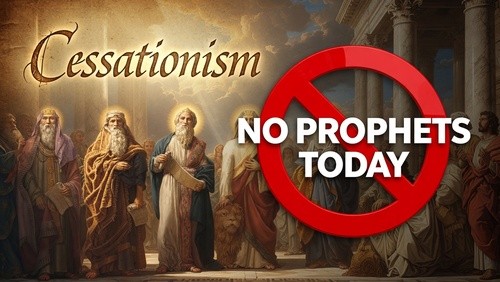
In addition to false prophets, there is another group that has significantly hindered the Church’s ability to hear from God in this hour.
Many sincere believers have been taught a doctrine called Cessationism — the belief that all miraculous gifts of the Holy Spirit, including prophecy, ceased after the death of the apostles and the completion of the New Testament.
This position effectively silences both false and true prophets. It removes the Church’s ability to hear God’s current warnings, judgments, and direction for this generation. Many sincere believers have been trained to dismiss any prophetic message outright, without testing it against Scripture or examining the evidence God has given to confirm it. In doing so, they effectively silence the present work and voice of the Holy Spirit.
The Bible, however, does not teach that God stopped speaking through prophets once the canon was closed. On the contrary, Scripture shows that God has always reserved the right to speak to His people in every generation — especially in times of great deception and impending judgment.
One of the strongest biblical proofs of this is found in Revelation 11, where God sends Two Witnesses during the Tribulation who will prophesy with great power. These Two Witnesses are clear evidence that God has not stopped sending prophets. In fact, the two U.S. Navy destroyer collisions in 2017 — exactly 65 days apart and carrying the numbers 7 and 10 — were God’s way of prophetically pointing forward to these Two Witnesses in Revelation 11. Through these signs, God is declaring that He is still actively speaking and warning His people in this generation.
The Bible, however, does not teach that God stopped speaking through prophets once the canon was closed. On the contrary, Scripture shows that God has always reserved the right to speak to His people in every generation — especially in times of great deception and impending judgment.
One of the strongest biblical proofs of this is found in Revelation 11, where God sends Two Witnesses during the Tribulation who will prophesy with great power. These Two Witnesses are clear evidence that God has not stopped sending prophets. In fact, the two U.S. Navy destroyer collisions in 2017 — exactly 65 days apart and carrying the numbers 7 and 10 — were God’s way of prophetically pointing forward to these Two Witnesses in Revelation 11. Through these signs, God is declaring that He is still actively speaking and warning His people in this generation.
God’s Heart Behind Sending Prophets
God does not send prophets because He delights in judgment. He sends them because He is merciful. He warns before He strikes. He gives opportunity to repent.
As Scripture says:
“The Lord is not slow to fulfill his promise as some count slowness, but is patient toward you, not wishing that any should perish, but that all should reach repentance.” (2 Peter 3:9)
Even in His warnings, God’s heart is redemptive. However, when people continually reject His warnings, judgment eventually comes.
As Scripture says:
“The Lord is not slow to fulfill his promise as some count slowness, but is patient toward you, not wishing that any should perish, but that all should reach repentance.” (2 Peter 3:9)
Even in His warnings, God’s heart is redemptive. However, when people continually reject His warnings, judgment eventually comes.
The Biblical Pattern
From Genesis to Revelation, the pattern is consistent:
This pattern is repeated with Noah, Abraham, Moses, the prophets of Israel and Judah, John the Baptist, and even in the early church.
- God sends prophets when sin increases.
- The prophets call the people to repent.
- Most of the people reject the warning.
- Judgment eventually falls on the unrepentant.
- A remnant who listens and repents is preserved.
This pattern is repeated with Noah, Abraham, Moses, the prophets of Israel and Judah, John the Baptist, and even in the early church.
Application for Today

The modern Church has largely lost the biblical understanding of what a true prophet is and does.
Between the flood of false prophets speaking only comfort and blessing, and the teaching that says God no longer sends prophets at all, many believers have been left without a clear prophetic voice in this critical hour.
God is once again raising up a prophetic voice — not primarily to comfort the Church, but to warn it.
The 3333 signs and the present-day warnings are not given to make people feel good about themselves. They are given to wake people up, expose deception, and call them to repentance at the cross of Jesus Christ before judgment falls.
The question for every believer is this:
Will we listen to the warning while mercy is still speaking, or will we continue following voices that either tell us only what we want to hear, or teach us that God is no longer speaking at all?
The 3333 signs and the present-day warnings are not given to make people feel good about themselves. They are given to wake people up, expose deception, and call them to repentance at the cross of Jesus Christ before judgment falls.
The question for every believer is this:
Will we listen to the warning while mercy is still speaking, or will we continue following voices that either tell us only what we want to hear, or teach us that God is no longer speaking at all?